The Master’s in Tourism and Development prepares students for careers in project management, expertise and decision support in the field of tourism development. It takes a territorial approach to tourism, particularly in rural and mountain areas, and combines multidisciplinary knowledge, applied research and professionalisation. Students acquire tools for analysis, diagnosis, engineering and foresight, and apply them through field workshops, projects and placements.
Programme and course information ↗Bringing research and teaching together
Teaching and pedagogy
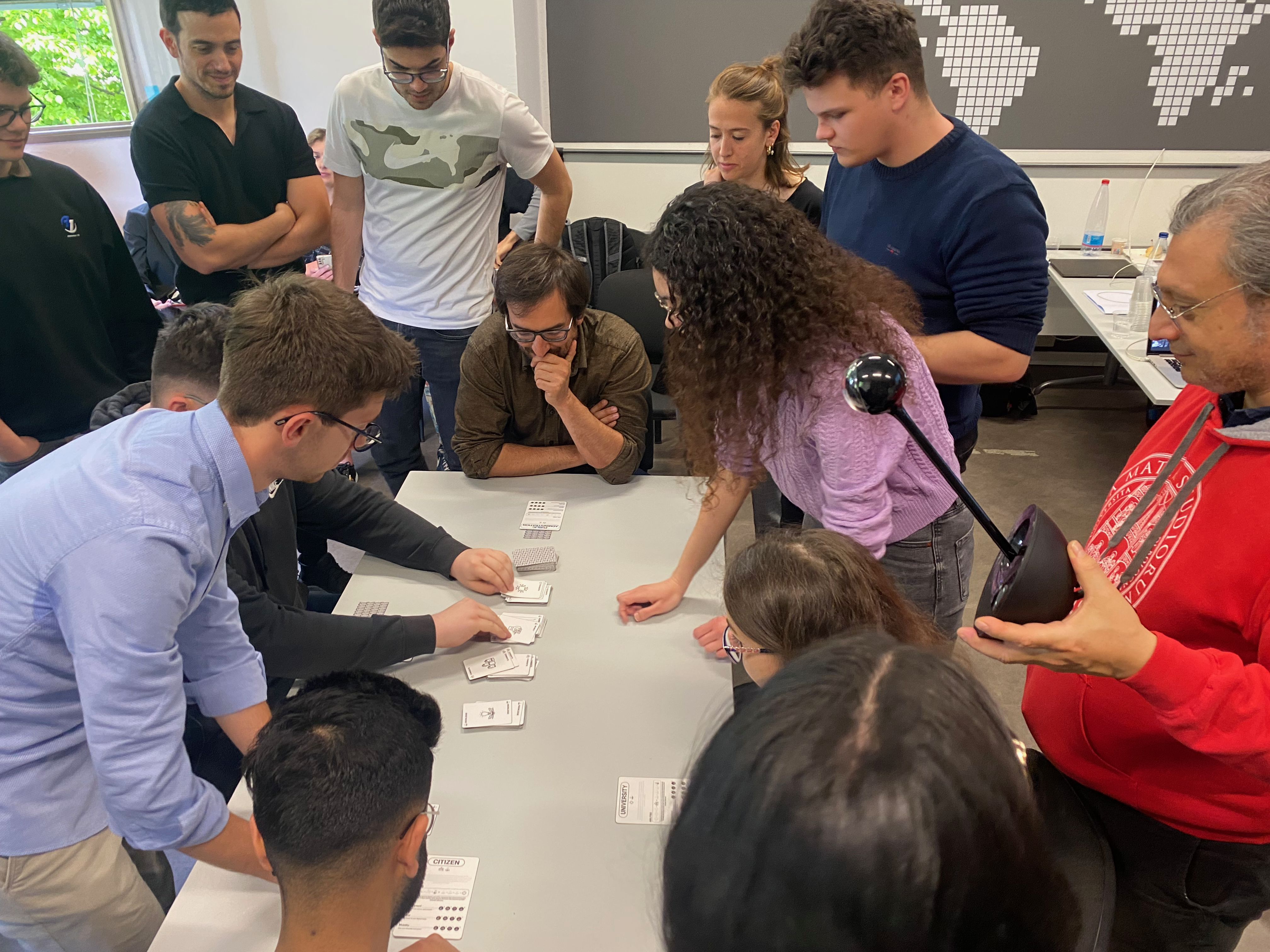
I teach at ISTHIA, Université Toulouse – Jean Jaurès, and regularly contribute to courses at other universities. My teaching approaches tourism through a geographical lens, with particular attention to environmental change and the contemporary transformations of tourism and recreation. It combines disciplinary perspectives in geography with methodological training and a strong practical component, including fieldwork, case studies, applied projects and engagement with tourism and territorial stakeholders. This approach allows students to connect theoretical concepts with concrete situations while maintaining a close relationship between research and teaching.
Master’s in Tourism and Development — Head of the first year (Master 1)
The field as a learning environment
Ax-les-Thermes · 13–14 March 2025
Investigating changes in a tourism territory
I supervised a Master 1 field trip to Ax-les-Thermes, during which students interviewed private and institutional stakeholders and elected representatives about crisis, innovation and territorial adaptation.
This experience linked territorial diagnosis with qualitative research methods, bringing academic learning into dialogue with professional realities.
Field trip report ↗European cooperation
CLIM-TOUR — Empowering Tourism Students: Developing Sustainability, Entrepreneurial, and Digital Skills to Address Climate and Societal Challenges
Training students to address climate change in tourism education
CLIM-TOUR is an Erasmus+ KA220-HED project that aims to integrate sustainability, digital and entrepreneurial skills into higher education in tourism, in support of climate change adaptation and mitigation.
Main partners: Umeå University — Sweden · Istanbul University — Türkiye · Munich University of Applied Sciences — Germany · Adam Mickiewicz University, Poznań — Poland.
Associated partners: University of Waterloo — Canada · Skål International · INNTO France.
DIGI-SOC — Digital Skills and Cross-Domain Entrepreneurship for Societal Challenges
DIGI-SOC was an Erasmus+ KA220-HED cooperation project devoted to developing cross-cutting digital and entrepreneurial skills in higher education. It aimed to develop new teaching approaches and curricular resources enabling students to mobilise these skills in response to societal challenges, within a European cooperation framework.